Africa Region
Environmental Intelligence for One Health in Africa
Africa is home to over 1.2 billion people and faces some of the world’s largest environmental health challenges.
Environmental risks such as air pollution, unsafe water, soil degradation, food insecurity, and zoonotic diseases significantly affect health outcomes.
World Health Informatics (WHI) supports environmental intelligence across:
Air • Water • Soil • Plants • Animals
1. Air – Environmental Health Crisis
Key Figures
- World Health Organization: Air pollution is a major health risk. Around 3 billion people globally use solid fuels, with Africa heavily affected.
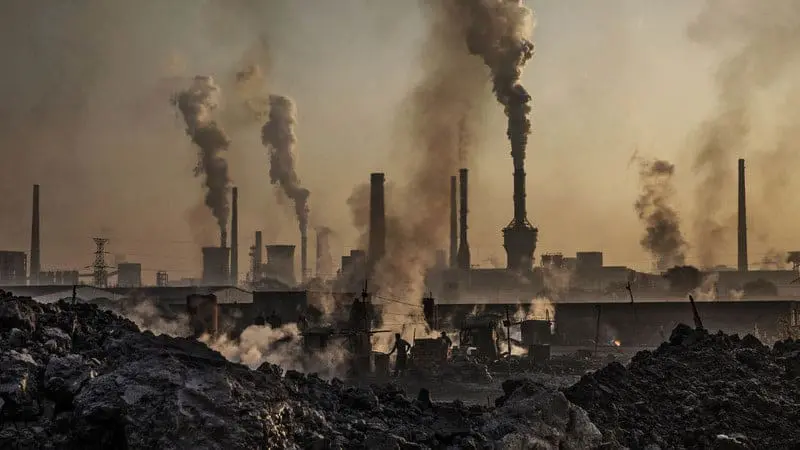
- State of Global Air: 1.1 million deaths per year in Africa are linked to air pollution (the second leading risk factor for death). About 63% of these deaths are from indoor smoke exposure. Around 236,000 newborn deaths are linked to air pollution.
- World Bank: About 700,000 deaths annually in Africa are linked to air pollution.
Major Challenges
- Indoor smoke from cooking fuels
- Urban & Industrial pollution
- Lack of monitoring systems
- Rapid urbanization
WHI Solutions
- Low-cost air sensors
- Satellite monitoring
- AI pollution prediction
- Health risk alerts
2. Water – Environmental Emergency
Key Figures
- World Health Organization: 1 in 3 people in Africa face water scarcity. Around 842,000 deaths per year occur from unsafe water and sanitation, including 361,000 child deaths annually. About 115 deaths every hour are linked to unsafe water.
- Environmental Studies: Africa accounts for about 44% of global deaths related to unsafe water and sanitation. Death rates from unsafe water are over 1000 times higher than in developed countries.
Major Challenges
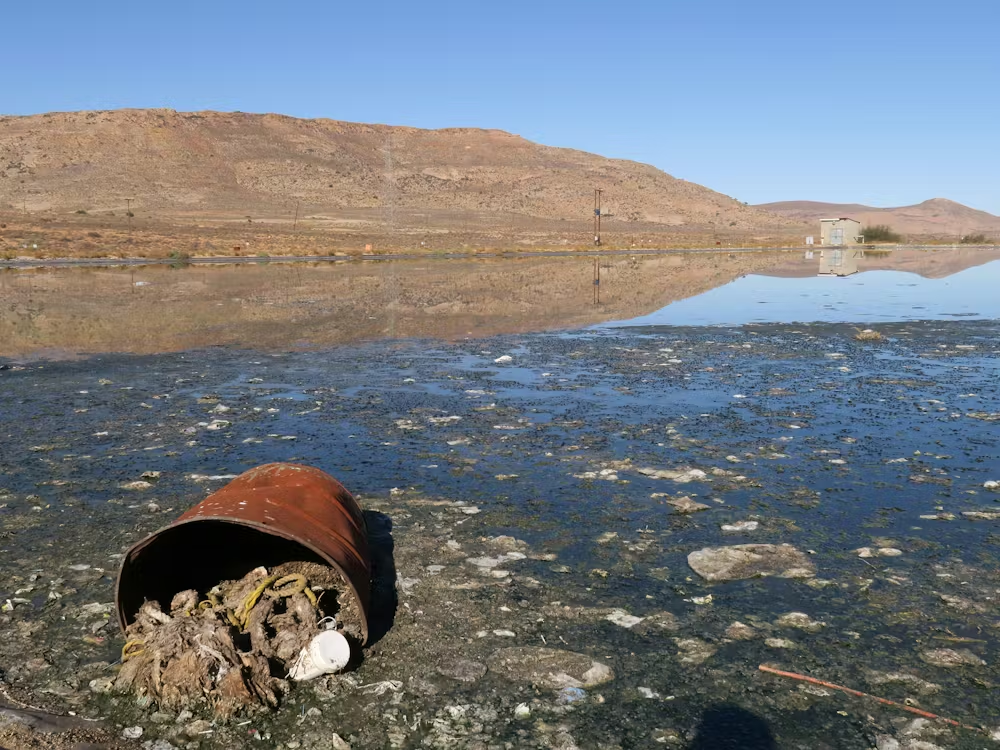
- Limited clean water access & poor sanitation
- Waterborne diseases
- Groundwater contamination
- Climate-driven droughts
WHI Solutions
- Portable water testing (Greentest)
- Mobile water labs
- Digital water mapping
- Early contamination alerts

3. Soil – Agricultural Risks
Key Figures
- Agriculture Dependency: Over 60% of Africa’s population depends on agriculture for livelihoods.
- Impact: Environmental degradation affects food production and income. Climate change is worsening land degradation across Africa.
Major Challenges
- Desertification
- Soil erosion
- Low soil fertility
- Climate stress
WHI Solutions
- Soil monitoring sensors
- Digital soil maps
- Climate-based crop planning
- Sustainable farming data
4. Plants – Food Security
Key Figures
- Demand & Climate: Rapid population growth increases food demand, while climate change severely affects crops.
- Risks: Environmental factors increase crop failures, malnutrition, and poverty. Water shortages directly affect agriculture in many regions.
Major Challenges
- Drought & water shortages
- Crop disease
- Climate change
- Severe food insecurity
WHI Solutions
- Crop monitoring
- Satellite agriculture data
- AI yield prediction
- Nutrient monitoring
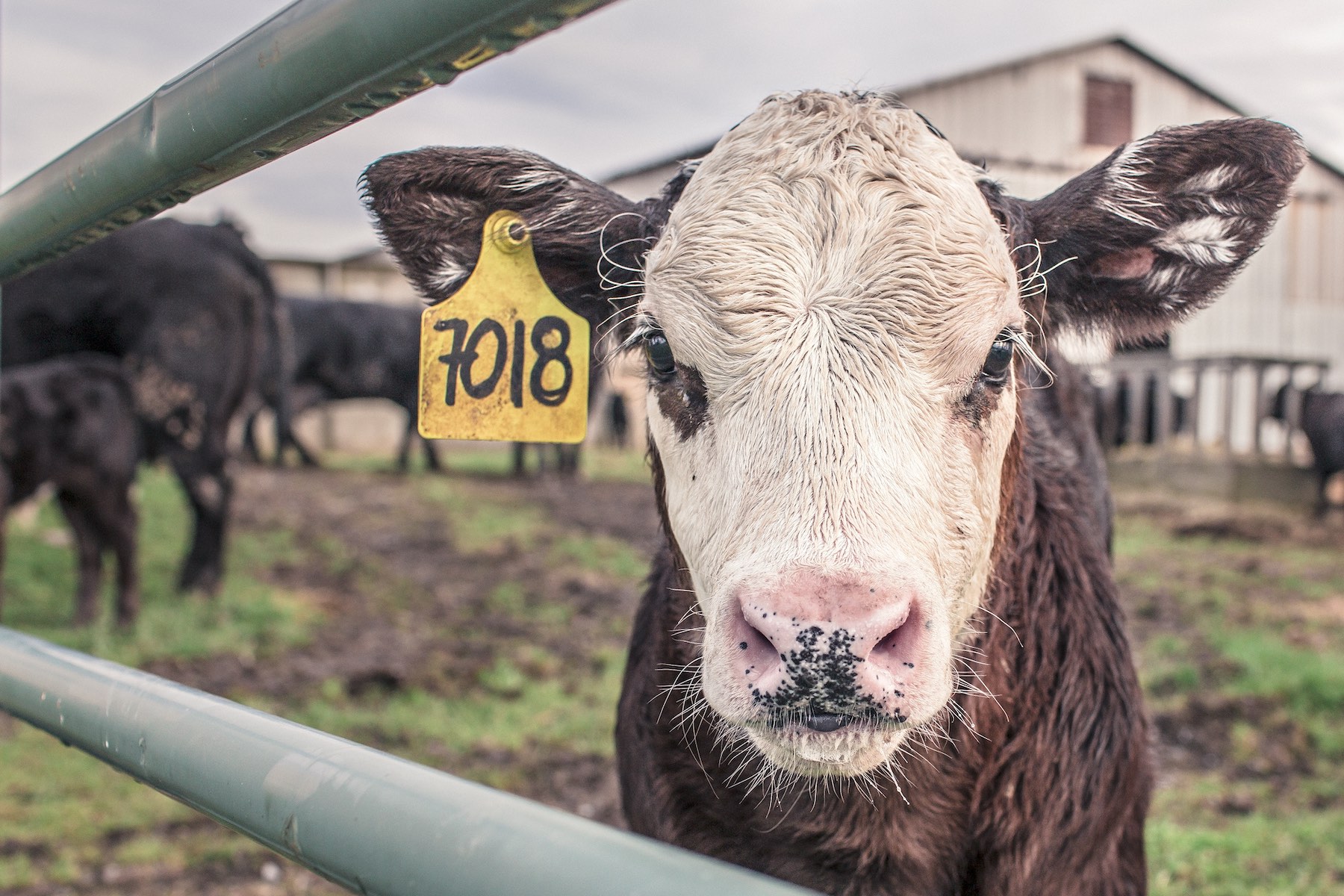
5. Animals – Disease Risk
Key Figures
- World Health Organization: Zoonotic disease outbreaks increased 63% in the last decade.
- 2001–2022 Data: 30% of health outbreaks were zoonotic diseases.
- Examples: Ebola, Monkeypox, Rift Valley Fever. Africa is considered a hotspot for emerging diseases as climate change increases risk.
Major Challenges
- Wildlife-human interaction
- Livestock disease
- Weak surveillance
- Climate change
WHI Solutions
- Animal disease monitoring (Vet Kit)
- Livestock sensors
- Mobile veterinary systems
- Early outbreak alerts